Wine Decanters at Mémoire

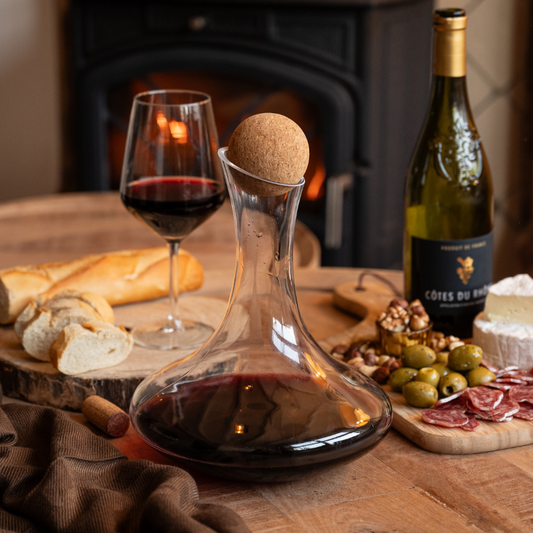
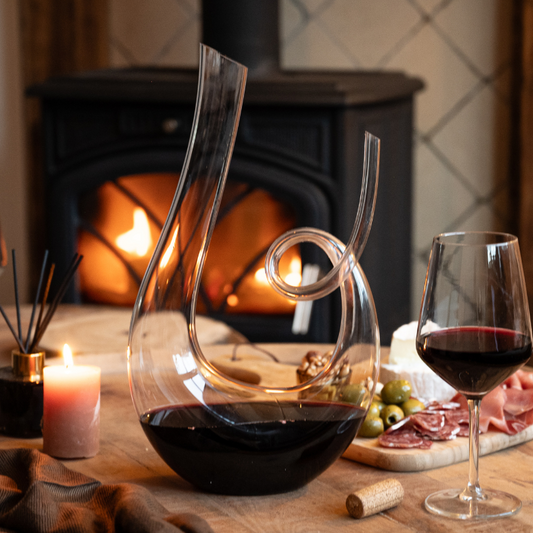
A wine decanter is designed to allow wine to breathe gently and to ensure controlled pouring. Mémoire's collection features various decanter shapes, including decanting options suitable for table settings, tastings, or dinners. The emphasis is on functional design, clear material choices, and a finish that complements careful serving.

What a Wine Decanter Does

When you pour wine from the bottle into a decanter, you increase its contact with oxygen. This can help to bring out aromas more effectively and to soften a young wine. For older wines, separating sediment also plays a role: you pour the clear wine into the decanter, while any sediment remains in the bottle. How long you let the wine sit depends on the type of wine and your preference; for some wines, a short period is sufficient.

Red Wine Decanter: When and Why

A red wine decanter is often used for wines that benefit from extra oxygen, such as young, powerful red wines. The wider base seen in many decanting carafes is not just a style element; it also gives the wine more surface area to breathe. For refined, older red wines, more gradual aeration is sometimes more appropriate, and it is especially important to pour carefully to avoid disturbing sediment. Thus, the decanter supports the wine without making serving unnecessarily complicated.

Shape, Capacity, and Material: Practical Considerations

When choosing a wine decanter, it's useful to pay attention to the opening and the neck. A slightly wider opening can make cleaning easier, while a well-shaped pouring spout helps to minimize dripping. The capacity is relevant to the number of glasses you want to pour and the space the wine needs to aerate.

Most decanters in this category are made of glass. Glass is neutral in use and clearly displays the wine's color and clarity. Some designs incorporate metal or plastic components, for example, for support or as a functional element; this mainly relates to stability, grip, or controlled pouring. Mémoire describes the materials used for each product, allowing you to choose one that suits your use and maintenance needs.

Combining with Matching Wine Accessories

A decanter performs best when pouring and serving are balanced. Therefore, a wine decanter is often combined with suitable glasses; in the wine glasses collection, you will find options that match various wine styles. A good opener also contributes to calm preparation at the table; view the selection of wine openers for this. For those specifically looking for decanters focused on decanting, there is also a separate category of decanting carafes with models designed for aeration and controlled pouring.

Cleaning and Drying for Clear Glass

To maintain clear glass, it is advisable to rinse a decanter immediately after use with lukewarm water. For residue or stains, a suitable brush or cleaning tool can help, depending on the shape of the decanter. Then, allow the decanter to drain well and dry completely to minimize spotting. With careful cleaning, the decanter remains transparent and ready for the next time you wish to pour wine.

Mémoire's decanters are selected with attention to user-friendliness and material. Thus, a decanter not only supports serving but also brings tranquility to the table: a clear presentation, controlled pouring, and space for the wine to develop.

Frequently Asked Questions About Wine Decanters

Why should I pour wine into a decanter?

When you pour wine into a decanter, you increase its contact with oxygen. This helps aromas to emerge better and makes a young wine taste a bit softer. For older wines, a decanter also helps to leave sediment in the bottle.

When do I use a decanter for red wine?

A decanter is particularly useful for young, powerful red wines that benefit from extra oxygen. The wide base of many decanting carafes gives the wine more surface area to breathe. For older, refined red wines, careful pouring is more important than prolonged aeration.

What should I look for when choosing a wine decanter?

Pay attention to the opening and the neck: a wider opening makes cleaning easier, a good pouring spout reduces dripping. The capacity determines how many glasses you can pour. Most decanters are made of glass, which is neutral and clearly shows the wine's color.

How do I clean a wine decanter?

Rinse the decanter immediately after use with lukewarm water. For stains, a suitable brush can help. Then, allow the decanter to drain well and dry completely to prevent spotting. This keeps the glass clear and ready for use.

What is the difference between a wine decanter and a decanting carafe?

A wine decanter is suitable for general pouring and aeration. A decanting carafe is specifically designed for maximum aeration, often with a wider base. Mémoire offers both options, depending on your wine style and occasion.